Silent damage, real consequences. Schedule a certified termite inspection in Washington today and get a written report of every finding.
Most termite activity goes undetected for years. A certified inspection finds what visual checks miss.
A written inspection report gives you documented findings, photos, and treatment options before you commit to anything.
Our warranties transfer with the property, which matters for real estate transactions and lender requirements.
Termites cause an estimated $5 billion in property damage across the United States each year. Most homeowners discover an active infestation only after visible damage has already appeared, often years into the problem. Early inspection is the only reliable defense against structural damage that could have been prevented.
From the inspection through to the warranty, each step is structured around accountability and accurate findings.
Full structural assessment covering substructures, crawl spaces, attic timbers, and all visible wood members throughout the property. Every finding is documented in a written report with itemized observations and photographs.
Liquid soil barriers, bait station networks, direct wood injection, and fumigation for confirmed drywood infestations throughout a structure. Treatment method is matched to the species present and the severity of confirmed activity, not a single default approach.
Every inspection produces a written report documenting findings, photographs, and itemized treatment options with pricing. This report serves as your record for insurance purposes, real estate disclosures, and lender requirements.
Treatment warranties through Singer Pest Control transfer with the property at the time of sale. This documentation is valuable during real estate transactions, refinancing, and for buyers and sellers requiring proof of treatment history.
Termites do not announce themselves. That is the fundamental challenge for homeowners in Washington and across Washington, DC. By the time visible damage appears, an infestation has typically been active for months or years. Understanding which species is present, how they enter structures, and what damage progression looks like is the starting point for protecting your property.
Subterranean termites are the most widespread species in Washington, DC and are responsible for the majority of structural damage claims. They live underground in soil-based colonies and access wood by constructing mud tubes, which are pencil-width tunnels of soil and debris built along foundation walls, pier blocks, and exterior surfaces. The mud tube allows the colony to travel between the soil and wood food sources while maintaining the moisture conditions they require. When a homeowner notices a mud tube on a foundation wall or along a wood post, an established colony is already present. The tube itself is not the problem; it is evidence of an active feeding operation somewhere inside the structure.
Drywood termites operate differently. They do not require soil contact and they do not build mud tubes. They establish colonies directly inside dry wood, including framing members, structural timbers, furniture, and attic wood. The most visible sign of drywood activity is frass, which is the pellet-shaped droppings they push out of small kick-out holes in wood surfaces. Frass resembles fine sawdust or sand and often collects on horizontal surfaces below infested wood. The presence of frass in a windowsill, along a baseboard, or on attic flooring indicates an active colony in the wood directly above or adjacent to where it appears.
Formosan termites are an introduced species found in parts of Washington, DC and are notable for the size and aggression of their colonies. A mature Formosan colony can contain hundreds of thousands of workers compared to tens of thousands in a typical subterranean colony. They build carton nests, which are compact masses of soil, wood, and fecal material, inside wall voids and structural assemblies. The damage rate associated with Formosan colonies is significantly higher than native subterranean species because of colony size and foraging behavior.
The signs homeowners most commonly overlook include mud tubes that have been painted over or covered by exterior finish work, frass deposits mistaken for dust or debris, swarmers which are winged reproductive termites that shed wings near window sills and entry points in late spring and early summer, and hollow-sounding wood when tapped that has been hollowed from the inside. Hollow wood does not flex, crack, or show surface damage until structural integrity is significantly compromised.
The inspection is non-negotiable before any treatment decision is made. Without a confirmed species identification and documented extent of activity, treating with the wrong method or the wrong product produces no result while giving the homeowner false confidence that the problem has been addressed. Singer Pest Control performs a full structural walkthrough in Washington: crawl space inspection, substructure framing review, attic timber inspection, and a check of all accessible wood members, interior and exterior. The findings go into a written report with photos and recommended treatment options with itemized pricing. There is no upsell to treatments not supported by what the inspector actually finds.
Suspect termite activity in your Washington property? Call us and we schedule a certified inspection quickly.
Call +1-866-315-0243 to confirm availability and book your inspection.
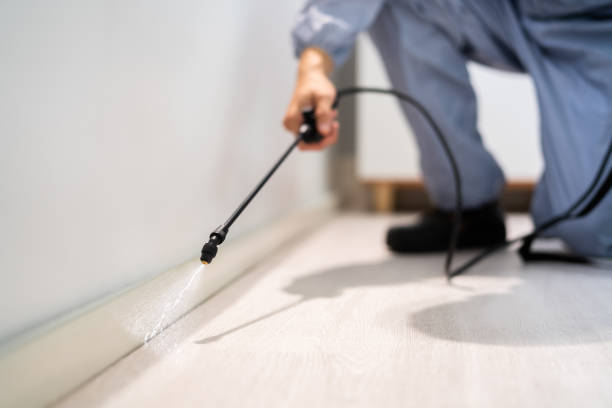
Termite damage is not covered by standard homeowner insurance policies in most states. Prevention and early detection are the only cost controls available to property owners.
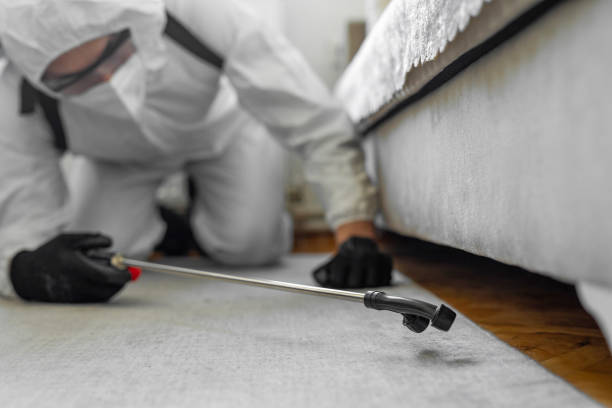
Inspection through treatment through warranty, every step performed by licensed termite professionals.
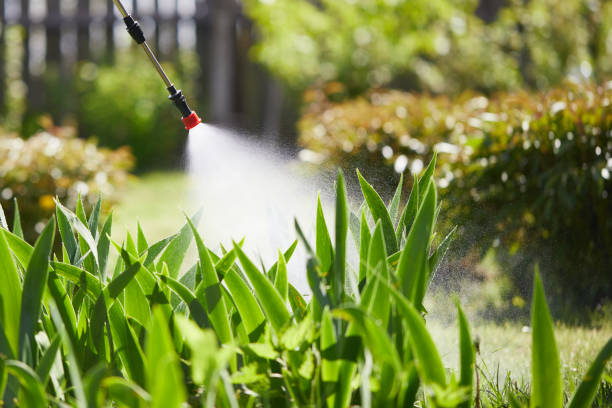
Full structural walkthrough documenting active activity, past damage, mud tube evidence, frass deposits, and swarmers. Written report with photos, findings, and itemized treatment options delivered after the inspection.
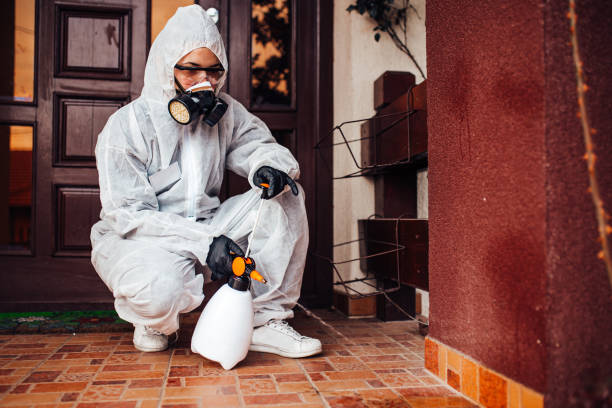
Trenching and treating the soil around the foundation perimeter with EPA-registered termiticide creates a continuous chemical barrier. Subterranean colonies contacting the treated zone are eliminated and re-entry from adjacent colonies is blocked.
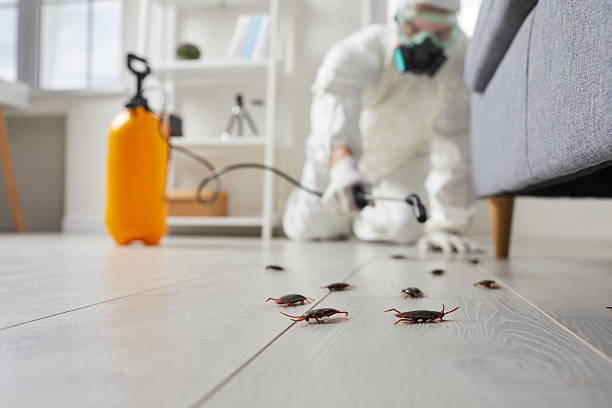
In-ground monitoring and baiting stations installed at intervals around the property perimeter. Foraging workers carry the active ingredient back to the colony, affecting workers and reproductives. Stations are monitored on a regular schedule.
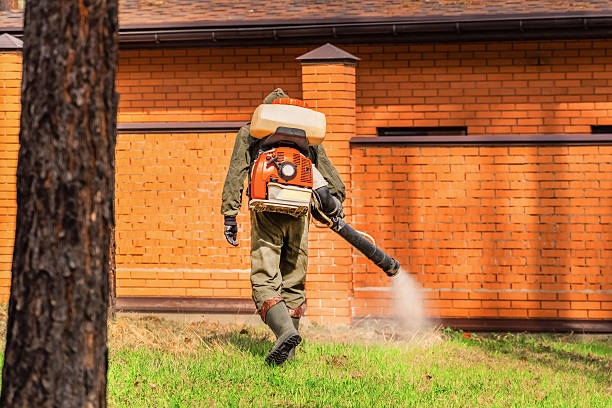
For confirmed drywood infestations throughout a structure, full tenting and fumigation eliminates every colony in the structure regardless of location. The most comprehensive option for widespread or multi-site drywood activity.
Direct injection of termiticide foam into confirmed galleries, wall voids, and infested wood members. Targeted elimination without full fumigation, ideal for localized drywood infestations or accessible gallery systems.
Addressing wood-to-soil contact, excessive substructure moisture, and cellulose debris that creates prime termite habitat conditions around and under a structure. Reduces the conditions that attract colonies in the first place.
From the first call through treatment completion and warranty documentation, here is the sequence.
Call +1-866-315-0243. Describe any signs you have noticed. We confirm a scheduled inspection time for your Washington property. No treatment is recommended until the inspection is complete.
A licensed termite inspector performs a full structural walkthrough including crawl space, substructure framing, attic timbers, and all accessible wood members. Every finding is documented during the inspection.
You receive a written inspection report with photographs, documented findings, and itemized treatment options with pricing. You review the report and choose a treatment path based on what the inspection actually found.
Treatment is completed by a licensed technician using the method matched to the species and severity confirmed during inspection. Warranty documentation is issued after treatment and transfers with the property.
Real outcomes from verified customers who needed termite inspection and treatment in Washington and surrounding areas.
We were in the middle of purchasing a home in Washington and our general inspector flagged what looked like possible termite evidence in the crawl space. We called Singer Pest Control and they had someone out within 24 hours. The inspector confirmed an active subterranean colony in the crawl space framing, documented everything with photos, produced a full written report, and treatment was completed before our closing date. We handed the lender the report and the warranty documentation and it cleared. That inspection paid for itself ten times over in the negotiation alone.
I noticed hollow-sounding wood near the garage door frame and ignored it for about 18 months because I figured it was just settling. Eventually called Singer Pest Control when I knocked on the framing and a piece gave way. The inspector found two structural members with significant drywood damage and active gallery systems running through the lower section of the garage wall. Treatment was completed and structural repairs were started. The inspector told me directly what 18 more months would have cost to fix. I am not making that calculation twice.
I manage a small commercial building and one of our tenants reported finding swarmers near their office windows in the spring. Called Singer Pest Control and set up an annual inspection program for the whole building. Three years in, the inspector has identified early-stage subterranean activity twice during the annual walkthrough. Both times we addressed it with liquid soil treatment before any structural wood was involved. The cost of those two treatments was a fraction of what a missed infestation would have required. Annual inspections are not optional for any building I manage anymore.
Detailed answers to what homeowners ask before scheduling a termite inspection or treatment in Washington.
Singer Pest Control provides certified termite inspection and treatment services across Washington and the surrounding communities of Washington, DC. Homeowners, property managers, and real estate professionals throughout the region schedule inspections with us when they need documented findings, accurate species identification, and treatment matched to what was actually confirmed on-site. If you are located near Washington in a community we serve, call +1-866-315-0243 to confirm scheduling availability for your property address.