Treating only the pet leaves 95% of the flea population untouched. Singer Pest Control treats the entire environment, indoors and out, to break the life cycle completely.
Adult fleas on the pet are only about 5 percent of the total infestation. The other 95 percent are eggs, larvae, and pupae distributed throughout the carpet fibers, upholstery, pet bedding, and yard areas your pet frequents. Any treatment that targets only adult fleas on the pet leaves the environmental reservoir fully intact and the infestation continues its cycle uninterrupted.
We use insect growth regulators alongside adulticide to prevent flea eggs and larvae from developing into reproducing adults. IGR mimics juvenile insect hormones, preventing immature fleas from completing development. Adulticide alone kills current adults but leaves the existing egg and larval population to mature. IGR interrupts the life cycle rather than just reducing the current adult count.
Fleas cycle between indoor and outdoor environments, particularly in households where pets have outdoor access. If only the interior is treated, pets and people continuously reintroduce outdoor flea populations from yard resting areas, pet runs, and shaded areas where larvae survive in the soil. We treat both environments in the same visit so the cycle is broken from all angles at once.
We provide specific re-entry timing and precautions for both pets and people after every treatment. You know exactly when it is safe to return and what to expect in the hours and days after treatment. Some adult emergence 10 to 14 days after treatment is normal as pupae hatch and contact treated surfaces, and we prepare you for this so you are not concerned when it happens.
The frustration you are feeling is completely understandable, and it has a clear biological explanation. Fleas have a four-stage life cycle: egg, larva, pupa, and adult. The adult flea that bites your pet and makes you miserable represents only a small fraction of the infestation in your home at any given time. A female flea can lay 20 to 50 eggs per day, and those eggs do not stay on your pet. They drop continuously into the environment as your pet moves through the house, settling into carpet fibers, along baseboards, in the creases of upholstered furniture, and in any soft material where larvae can find the organic debris they feed on.
Flea larvae avoid light and migrate into the base of carpet fibers and under furniture. They develop through two larval stages over one to two weeks before spinning a silk cocoon and entering the pupal stage. The pupal stage is the most treatment-resistant phase of the flea life cycle. Pupae are insulated by their cocoon from contact insecticides and can remain dormant for weeks or even months, protected until physical vibration, heat, and carbon dioxide signal that a warm-blooded host is nearby. This is why flea infestations can appear to return after treatment: the dormant pupae were never killed, and they are now hatching into new adults in response to activity in the treated environment.
Topical flea prevention products and oral flea treatments your veterinarian prescribes are highly effective at killing adult fleas that bite your pet. They do not eliminate the environmental reservoir of eggs, larvae, and pupae. Your pet is still carrying fleas in from the environment faster than the prevention product can kill them. Until the environmental population is addressed, your pet and your home will continue to cycle fleas regardless of how consistently you apply prevention.
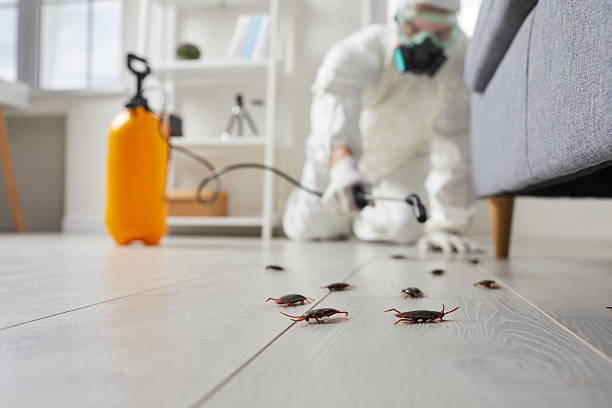
A proper professional flea treatment has two essential components. The first is a thorough indoor treatment using a combination of professional adulticide to kill current adults in the carpet and on surfaces, and an insect growth regulator applied throughout the treated area to prevent eggs and larvae from developing. The second component is outdoor treatment of pet resting areas, shaded yard zones, and kennel areas where the outdoor flea population persists. We also recommend that you vacuum thoroughly before our arrival to stimulate dormant pupae to hatch, bringing them into contact with the treatment we apply.
After treatment, some adult flea emergence during the first two weeks is expected and is not a sign of treatment failure. These are newly hatched adults from pupae that were in place before treatment. They will contact the treated surfaces and die. By the third week post-treatment, the combination of adulticide and IGR has typically broken the cycle completely. Our follow-up visit at 10 to 14 days confirms this and addresses any remaining activity.
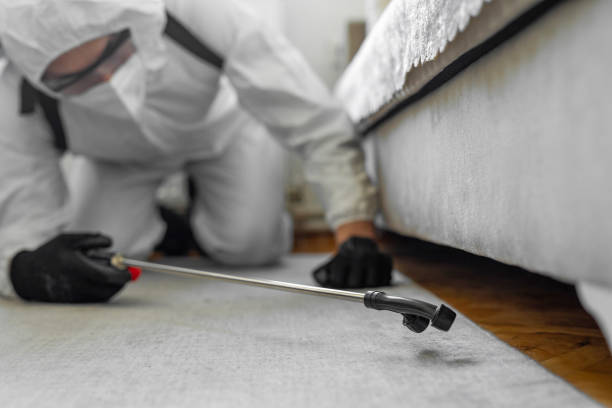
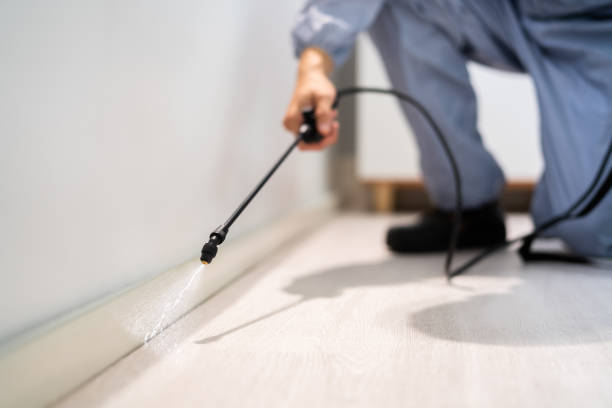
Full indoor treatment with professional adulticide and IGR applied to all carpeting, upholstery, pet resting surfaces, and baseboards. Particular attention is given to baseboard edges, under furniture, and in closets where larvae concentrate in the carpet pile base. All treated areas receive both adulticide and IGR in the same application.
Treatment of yard areas, pet runs, kennels, and shaded resting areas where flea populations persist outdoors. Flea larvae survive in shaded, moist soil, particularly in areas where pets spend time regularly. Outdoor treatment breaks the cycle between indoor and outdoor environments and prevents pets from reintroducing flea populations after the indoor treatment.
Pre-treatment inspection identifying all flea activity hotspots, primary pet resting areas, and environmental conditions contributing to infestation persistence. We identify the rooms and specific areas with heaviest flea activity so the treatment is applied with precision rather than uniformly throughout the home regardless of activity.
Insect growth regulator application creating a treated zone that prevents eggs and larvae from completing development into reproducing adults for extended periods. IGR remains active in treated areas for weeks after application, providing continued protection against newly deposited eggs during the period after initial treatment.
Scheduled return visit 10 to 14 days after initial treatment to address newly emerged adults from pre-treatment pupae and confirm resolution of the infestation. This follow-up visit is built into our standard flea treatment protocol because the pupal stage makes a single-visit resolution unreliable without it.
Quarterly treatments for households with multiple pets, outdoor cats, or ongoing yard exposure risk in HI to maintain flea-free status year-round. Flea populations in Pearl City, HI are active for a longer portion of the year than in colder climates, making year-round prevention worthwhile for high-exposure households.


Tell us about the infestation, your pets, and how long the problem has been active. We schedule your service and give you a preparation checklist to complete before we arrive.
Our technician inspects all rooms and identifies primary flea activity zones, pet resting areas, and outdoor areas requiring treatment before beginning application.
Full indoor treatment with adulticide and IGR applied to all active areas. Outdoor treatment of pet resting zones and shaded yard areas. Complete in one visit with detailed re-entry instructions.
Return visit at 10 to 14 days to treat newly hatched adults and confirm the infestation has resolved. We do not consider the job done until the follow-up confirms clearance.
"We have two dogs and had been using a vet-recommended topical product consistently for months. Fleas were still everywhere in the carpet. The technician explained the environmental reservoir concept, which I had honestly never understood before. They treated the interior with IGR plus adulticide and the yard perimeter. There was some adult emergence around day 10, exactly as they said there would be. Completely clear by two weeks. The explanation of why it was not working before was genuinely helpful."
"Moved into a rental house where the previous tenant had cats. Within two days we were getting bitten constantly and had no pets at all. The Singer Pest Control technician explained that dormant pupae in the carpet had hatched in response to us moving in. They treated the unit before we brought any furniture in, including the closets and under the built-in shelving. We moved in after the re-entry window with no issues whatsoever. Incredible difference."
"Our cat had been scratching for weeks. I had vacuumed every day and tried two different store spray products. The technician identified the main flea population was concentrated under the sectional couch the cat always slept under and in the carpet of the bedroom closet where she napped. The IGR treatment cleared the infestation with the initial visit plus the follow-up. We had not realized how targeted the placement needed to be."


Singer Pest Control treats the whole environment, not just the pet. Fast scheduling, thorough IGR treatment, and a follow-up visit to confirm results.
📞 Call +1-866-315-0243 Now